
Principal Scientist – X-ray Fluorescence Microscopy


Showing 101 - 120 of 157 results
ANSTO shared plans for an Innovation Precinct in southern Sydney at a breakfast event.

You are invited to submit to the various awards from ANSTO, User Advisory Committee (UAC) and Australian Neutron Beam User Group (ANBUG).
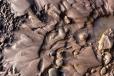
X-ray fluorescence scanner is a powerful analytical tool for environmental studies.
In a paper published yesterday, Traditional Owners and researchers report on the oldest securely dated pottery discovered in Australia, located at Jiigurru (Lizard Island Group) on the Great Barrier Reef.
The protein mapping workhorses of the Australian Synchrotron, Macromolecular and Microfocus crystallography beamlines, MX1 and 2, continue to support important biomedical research in the development of vaccines and new therapeutics.
Applications, Recent results, Publications.
Tool developed for producing F-18 radiopharmaceuticals for PET imaging.
The cost of building radiation-hardness testing into the design and qualification of electronics is typically well under one per cent of a major project’s budget.

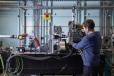
Data analysis on the X-ray fluorescence microscopy beamline at the Australian Synchrotron.

Professor Lee is a Nuclear Medicine Physician at Austin Health in Melbourne, with extensive nuclear medicine expertise and is very highly regarded in the nuclear medicine community.

You are invited to submit to the various awards from ANSTO, User Advisory Committee (UAC) and Australian Neutron Beam User Group (ANBUG).
Analysing the microstructure of paracetamol using synchrotron infrared optical technique provides insights.
The Government is safeguarding Australia’s sovereign capability to produce vital nuclear medicines by launching a $30 million project to design a new world-leading manufacturing facility to be built at Lucas Heights in Sydney.
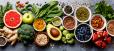
Consumers want to know that the foods they consume provide health benefits. Food materials science can monitor changes during digestion as well as assist in the development of low-fat products.
A collaborative group including Monash has produced an ultra-thin and ultra-flexible organic solar cell for advanced wearable devices.
International research led by Curtin University and supported by ANSTO, has identified and studied the first sauropod dinosaur gut contents found anywhere in the world. The stomach content was preserved with a reasonably complete skeleton of the Australian Cretaceous species Diamantinasaurus matildae found in Winton Queensland.